

CEO of Power Inside Out | Commercial Strategy, Sales and Leadership
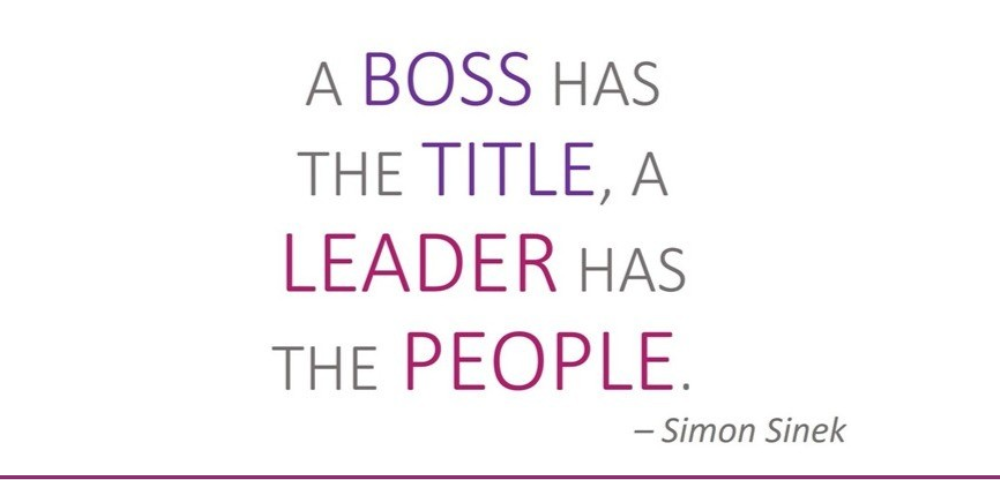
Leading without being the boss means understanding that influence doesn't start when someone gets a formal title or a team to manage. A title can give you the authority to make decisions, assign tasks, or evaluate results. But that doesn't guarantee that people will trust you, want to follow your ideas, or turn to you when they need sound judgment.
This article is about the path to becoming both: a manager and a leader. And that path begins when you learn to lead without being the boss. As John Maxwell said: “Leadership is not about titles, positions, or flowcharts. It is about one life influencing another.”
The aspiration to lead is very common. Over the years, many people on my teams have told me that their next career step was to become managers and people leaders. Being a manager sets you apart: it usually brings new meetings and conversations, a possible salary increase, and recognition.
Leadership, on the other hand, is something else. You can lead without managing people, but you need to be a leader to be a good manager.
People manager vs. leader: two different roles
The distinction matters, because being one doesn't guarantee being the other.
A people manager oversees resources and people, with responsibilities such as salaries, promotions, and task assignment. Their authority comes from their position, and their goal is to get tasks done efficiently.
A leader has a vision, cares about people, leads by example, and prioritizes the team's needs. Their authority comes from influence and inspiration, and they create a shared vision.
Do the two roles come together? Not automatically. The organization assigns the manager role and grants it authority. Leadership is earned when others recognize your abilities and choose to follow you. Many new managers overlook this and assume that the position alone makes them a leader.
What happens to a new manager
Leadership is not an innate trait, and it's common for people to reach management positions without having developed leadership skills. That can create a lot of stress, both for the manager and for the team.
In addition, some companies reserve leadership training for those who are already leaders, missing the opportunity to prepare future leaders or high-potential employees. I've often seen managers who, six months into their new role, were facing complaints from their team or negative feedback in management surveys. At that point, they have to make an enormous effort to acquire basic leadership skills.
This reactive approach often raises concerns within the company about the new manager's leadership ability. Wouldn't it be more effective to provide leadership training before people take on management roles?
What it means to lead without being the boss
Leading without formal authority has less to do with your job title and more to do with your ability to get things moving around you. You see it when someone helps bring order to a conversation, connects teams that weren't working well together, shares context, supports someone with less experience, or takes ownership of an issue they could have let slide.
It also shows up in something harder to measure: trust. There are people the team turns to even though they don't hold a management position. People seek them out because they bring sound judgment, because they listen, because they get things unstuck, or because they help others think more clearly.
That kind of influence is an important sign of leadership. And the sooner an organization spots it and develops it, the better prepared that person will be when a formal leadership opportunity eventually comes along.
Steps to reach a leadership position
Landing a manager role is a challenge. First, there has to be an open position. On top of that, your performance in your current role has to be exemplary. But that alone doesn't ensure you'll be an effective leader.
It's worth starting to demonstrate leadership within your current role. If you can inspire your colleagues and earn their respect without formal authority, you've already mastered the most important aspect of leadership. After that, most people can learn the skills related to talent management, salary structures, and other management responsibilities.
How to lead without being the boss
Leadership can be demonstrated every day, regardless of your formal position. For example, an individual contributor on my team once told me that a colleague in another country was having difficulties with some clients. He asked me for permission to travel for three days to help: he wanted to set up processes, facilitate meetings with the clients, offer mentoring, and then come back.
That's leadership in action. Trusting a peer, offering support, and dedicating personal and professional time to helping other team members are essential attributes of effective leadership.
You can start developing leadership skills even if you're not a manager yet, in areas such as communication, planning, influence, conflict resolution, or motivation. You can also do it if you:
- Ask for a formal role leading a virtual team whose members don't report to you.
- Mentor an intern.
- Lead a cross-functional project.
- Connect different areas to improve communication.
One last word of caution: do you need to be a manager?
There's a widespread misconception that to advance your career, you have to become a manager. That's not the case. If someone takes on a management role out of obligation and without genuine interest, it can hurt their career and lead to dissatisfaction, because they end up involved in tasks or challenges they don't want.
Someone once said: “You can dream of being a bullfighter, but when you're facing the bull, you realize what you liked was the suit and the cape.”
Many people stand out as individual contributors, exercise leadership, and have an enormous impact on the organization without any direct reports. For example, there was an individual contributor who managed the relationship between Intel and Accenture. He held a leadership role, influenced many people, and made an impact on both organizations, even though no one formally reported to him. Even the CEO asked him for a monthly status report, and he was responsible for organizing the quarterly meetings between the CEOs of both companies.
The best time to develop leaders is before you need them
Many organizations start developing leadership once the person has already been promoted and the first problems have started to appear. By then, the learning curve is already happening in real time: there are decisions to make, difficult conversations to hold, and a team waiting for clarity.
Developing leaders earlier changes that transition. It allows people to practice influence, feedback, mentoring, and decision-making in contexts where there's still more room to learn, make mistakes, and adjust. It also helps identify who truly wants to move into management and who can make a greater impact through a different kind of career.
Leading without being the boss is one of the best ways to prepare for that future. Because when the title finally arrives, the most important capabilities will have started taking shape long before.
The leadership journey is both rewarding and demanding. Developing leadership skills requires tools and experience, and a coach or mentor can accelerate that process.
At Power Inside Out, we have extensive experience developing leaders. If you want to develop your leadership, or that of the people on your team, let's talk.
What part of your leadership can you start practicing this week, without waiting for a title?