

CEO of Power Inside Out | Commercial Strategy, Sales and Leadership
Not so long ago, I woke up to a cold, impersonal email: “Today we are taking the very difficult step of reducing roles in some of our business units. Unfortunately, your role has been eliminated.”
Fear, uncertainty, and frustration set in. I was a strong performer, working more than 10 hours a day and achieving outstanding results. Another 5,000 people received the same email at the same time. I had 60 days to find a new role; after that, I would no longer be an employee. Although I wasn't expecting a message like that, I did recognize that the job market had been changing.
Layoffs often bring financial stress, emotional impact, a career interruption and, especially after the initial blow, a sense of betrayal by the company. In an uncertain market, they're a growing concern, and not even high performers are safe. Because I've been through a layoff, I understand the fear and uncertainty many people feel today. In this article, I review what's happening and what concrete steps professionals and leaders can take to protect their careers and plan their future.
What's happening with layoffs
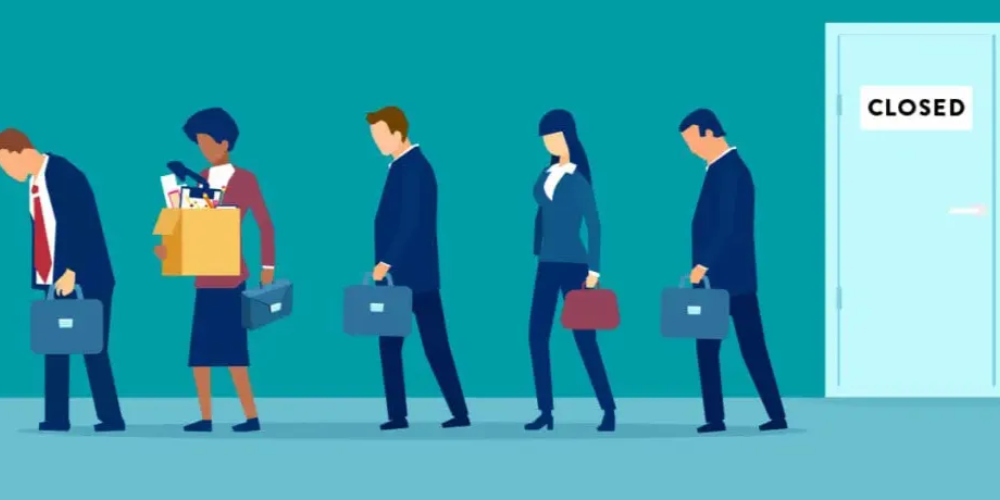
In recent years, the job market has changed significantly, and layoffs have become more common across industries. That trend has affected many people and has also changed company dynamics and culture. In 2024 alone, companies such as Citibank, Boeing, Intel, and Amazon announced significant layoffs, a sign of a shifting economic landscape.
A cultural shift: then and now
Thirty years ago, seniority meant job security. People often worked for decades at the same company and retired with recognition for their years of service. Layoffs were rare, almost always due to poor performance or legal issues, and they carried a stigma.
Today, layoffs are common, and companies use them strategically. Job security depends on performance and adaptability. Among my friends over 40, more than half have been through at least one layoff. It no longer carries the same shame it once did, but it does change the trajectory of a career.
The impact of layoffs on people and companies
The frequency of layoffs has also changed the relationship between professionals and companies. Those who stay often feel less engaged, less trusting, more stressed, and more overloaded. Although a mass layoff can provide short-term financial relief, its long-term consequences include the high cost of hiring replacements, reputational damage that makes future hiring harder, and lower performance than companies that avoid them.
The hidden costs of a layoff often outweigh its short-term benefits, which suggests they aren't always considered when the decision is made.
The behavior of each leader in a company going through layoffs has an enormous impact on those who remain. The way leaders act directly influences the morale and mood of the entire organization.
Are you at risk of being laid off?
It's not easy to predict. It depends on the company, the industry, and the market. The truth is that the market has changed, and no one is completely safe today. These are some of the criteria companies may use to decide who to include in a layoff:
- Last in, first out: the most recently hired people are the first to go. It's a simple method, but it can cause the company to lose valuable new talent.
- Elimination of a unit or function: entire departments or functions are eliminated.
- Cost-benefit analysis: employees with higher salaries may be more exposed.
- Performance-based selection: many companies prioritize keeping their best performers.
There are also other factors that can increase your risk. Over the years, I've seen layoffs hit high performers because of other circumstances. Here are some questions worth asking yourself, with a possible action for each:
- Do you work in a location with a higher cost of living than others, for example Miami versus Argentina? Explore remote work options or stay open to relocating if needed.
- Is your area losing prominence compared to others within the company? Proactively look for opportunities to collaborate with more central initiatives and become part of them.
- Does your role generate enough revenue to justify the position compared to others? Quantify your impact with key metrics and present your achievements to leadership.
- Are you far from headquarters, for example in a regional role or in a country with few employees? Build strong relationships with decision-makers at headquarters and make your contributions visible on a regular basis.
What you can do
Preparing for possible layoffs means expanding your options before you need them. Since you can't change the market, what's left is to focus on what you can control:
- Always have a plan B. Assess your skills and experience, and identify how they could transfer to other roles or even to a business of your own. Research growing industries aligned with your interests, and update your résumé at least once a quarter.
- Build your personal brand. Use LinkedIn to showcase your experience. Share valuable content, take part in conversations in your industry, and make your achievements visible. If your area isn't central to the business, connect and collaborate with the areas that are to broaden your visibility.
- Define a clear career plan. Set your professional goals and align them with your values and with the reality of your situation (location, relevance of your area, etc.). Consider whether you'd be willing to relocate or move into a more central role.
Take control of your career today. Start building your plan B and your personal brand. Your future self will thank you.
What I did after being laid off
After going through a layoff, I decided to accelerate my transition into entrepreneurship, something I had been planning for a long time. I had been preparing for years: I talked with friends about my future projects, took on internal coaching roles, and earned certifications from the ICF, Patrick Lencioni, and Korn Ferry.
That experience led me to launch Power Inside Out, dedicated to helping people and organizations grow faster, navigate career transitions, and build resilience. Don't wait for a layoff to take control of your future.
If you want to build your own career plan and move with more confidence in a job market that has changed, at Power Inside Out we can support you.