CEO of Power Inside Out | Commercial Strategy, Sales and Leadership
When I first assembled a commercial team that spanned several countries in America, the diversity was evident. Geographically, because we traveled from Canada to Argentina, and also in terms of age: the ages ranged from 19 to 55 years.
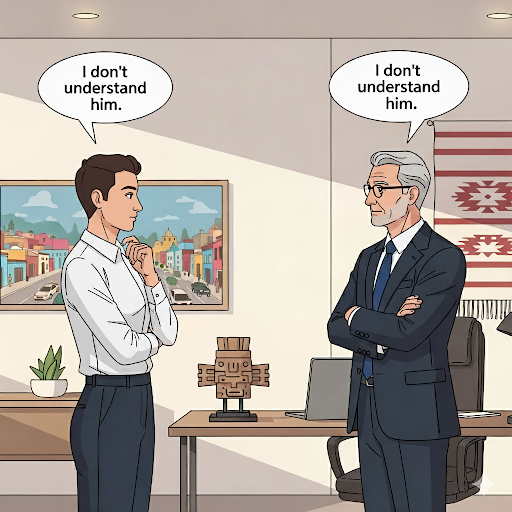
The first few months were difficult. Complaints arose like “they don’t understand me” or “their way of working is very different.” Those tensions stemmed from real cultural and generational differences, and threatened to slow our progress. This is what the generational gap looks like in the workplace when no one manages it.
Why the generational gap appears in the workplace
Today, this scenario is common for any leader. In many teams, baby boomers, Generation X, millennials, and Generation Z coexist, and it is often described that each one prioritizes different things: stability and loyalty, autonomy and growth, or flexibility and purpose. It is like having three orchestras playing the same song, each reading a different score.
That gap can generate friction. Older generations may see their younger colleagues as uncommitted, while the younger ones feel misunderstood or undervalued. The middle generation often finds itself in the middle, translating between two worlds.
| Situation | How it can be interpreted | What the leader can do |
|---|---|---|
| Differences in communication | Lack of professionalism or distance | Agreeing on channels and expectations |
| Need for feedback | Insecurity or lack of autonomy | Defining a useful cadence |
| Autonomy | Abandonment or micromanagement | Clarifying decisions and boundaries |
| Work style | Lack of commitment | Evaluate results above personal habits |
| Technology | Resilience or superficiality | Creating learning in both directions |
What we did to close the gap
To overcome those barriers, we took deliberate actions, and creating a safe environment was crucial. The offsites allowed the team to connect beyond screens and agendas, and share stories and perspectives openly. Step by step, respect grew, collaboration improved, and performance improved month by month.
Leading today involves accepting these differences rather than ignoring them. When a leader understands them, he or she can transform a potential conflict into a much richer collaboration, because each generation brings strengths that, when combined, drive innovation and commitment.
Five recommendations to close the generation gap and build trust
- Use organizational development tools, such as the model of The Five Dysfunctions of a Team by Patrick Lencioni. It identifies five critical areas where teams often have difficulties. Its basis is trust among the members, essential to overcome the other challenges and truly collaborate.
- Organizes offsites with the team. They offer a space for personal connection beyond daily demands. There, people can share their stories, their culture, their challenges, and their expectations in a relaxed environment, laying the foundation for psychological safety and trust.
- Dedicate time to personal presentations. Reserve space in meetings for each person to share how they prefer to work, how they communicate, what motivates them, and what they expect. This transparency reduces assumptions and creates mutual understanding.
- It promotes psychological safety. Create an environment where everyone can propose ideas, question assumptions, and express concerns without fear of being judged. It is essential that the leader shows curiosity and respect.
- It adapts to communication and flexibility. Some people prefer structured and formal communication; others perform better with frequent feedback and remote work options. Adapt your leadership style as you align everyone behind shared goals.
The generational gap as an opportunity
Generational gaps are a challenge, but they are also an opportunity to exercise courageous leadership. If you want to turn diversity into a competitive advantage, don’t let these differences hold you back.
At Power Inside Out, we help CEOs, business directors and HR leaders bring teams together, build trust and foster innovation, regardless of where their people come from or what their age is. We use tools like The Six Types of Working Genius, by Patrick Lencioni, along with coaching and cultural development, to help organizations cultivate trust and harness the full potential of their teams. Managing the generational gap in the workplace requires turning differences in communication, expectations, and styles into explicit agreements.
Do you want to build a high-performing and inclusive team? Let's talk.