

Why Listening Is the Secret Weapon Most Leaders Ignore
(And How I Learned the Hard Way)

Driving Rapid Growth for Your Company with Fortune 500 Best Practices | Digital Transformation Leader | Leadership Development | Sales Director | Certified Organizational Coach |
May 6, 2025
Raise your hand if you’ve ever been told you’re not listening. That was me-years ago, when a manager survey hit me with brutal honesty: “Lucas needs to listen more.”
The feedback felt like a gut punch. My first reaction? Defensiveness. “But I DO listen! Why would they say that?” Then came panic. If I couldn’t hear my own team, how could I possibly lead them?
The Cost of Poor Listening: What I Learned
Early in my career, I often jumped to conclusions and solutions before fully understanding what others were saying. While it didn’t cause major failures, I noticed it sometimes led to miscommunications and missed opportunities to connect deeply with my team and clients.
That moment taught me something critical: leadership without listening is like navigating a ship without a compass. When leaders don’t truly hear their teams, misunderstandings grow and trust erodes, making collaboration much harder.
The Turning Point: From Fixer to Coach
I wasn’t always a good listener. I prioritized action over understanding, quick answers over thoughtful questions. But that survey was my wake-up call.
Fast forward a year: I attended a “5 Dysfunctions of a Team” workshop by Patrick Lencioni as a participant (I liked the workshop so much, that nowadays I deliver this workshop to organizations across the Americas as a facilitator). During the feedback session, the message was clear- “Lucas, you still need to listen more.”
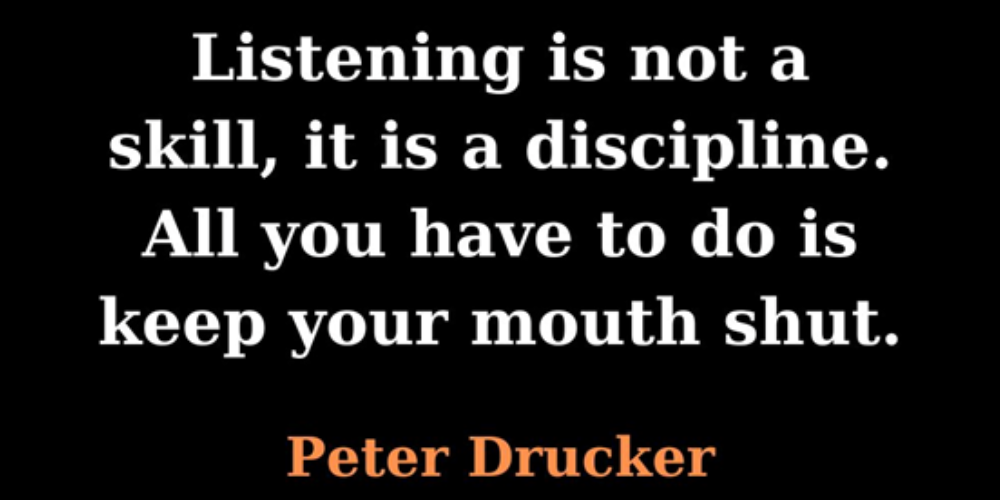
That second blow nearly broke me. But it also sparked a realization: listening isn’t a checkbox; it’s a muscle that needs constant exercise.
I decided to do more than just try-I committed to change. I trained and became certified as a coach through the International Coaching Federation (ICF). Coaching rewired my approach: instead of giving advice, I learned to ask insightful, thought-provoking questions that empower others to find their own answers.
And here’s the secret I discovered: you can’t ask great questions unless you’re a truly attentive listener.
The Breakthrough: When Listening Became My Superpower
Years later, Carlos from my team came to me with a problem. I listened carefully, then asked questions that helped him reflect. He smiled and said, “Thanks, I knew I was going to receive questions from you to make me think, not advice!”
That moment hit me hard. Listening isn’t soft-it’s strategic. It builds trust, sparks innovation, and creates connection.
Another professional I coached, Agustin, told me, “Thank you, Lucas. You’re a great listener, and that helps me more than you know.”
I’m still not perfect, but my listening skills no longer hold me back as a leader. Instead, they propel me forward.
My Hard-Earned Playbook: How to Become a Better Listener
If you want to improve your listening, here are some strategies that transformed my leadership:
- Embrace Active Listening: Put down distractions like your phone. Maintain eye contact. Use verbal and non-verbal cues to show you’re present. Try paraphrasing what you hear to confirm understanding.
- Create a Safe Space: Encourage openness by fostering respect and curiosity. Ask open-ended questions like, “What’s your biggest challenge right now?” and truly listen to the answer.
- Resist the Urge to Interrupt: Practice patience. Count silently to three before responding to ensure the speaker has finished. This small pause often leads to deeper insights.
- Listen Beyond Words: Pay attention to tone, body language, and emotions. Sometimes what’s unsaid speaks volumes.
- Seek Feedback: Ask your team how you’re doing as a listener. Use anonymous surveys if direct feedback feels uncomfortable. Showing you care about their input builds trust.
- Model Listening Behavior: Your team takes cues from you. When you demonstrate strong listening skills, you cultivate a culture of respect and collaboration.
- Focus on asking questions rather than giving advice: The quality of your questions directly impacts how effectively you help others find their own solutions.

Closing Thoughts: Your Listening Journey Starts Now
That young manager who got the “listen more” feedback? He’s now a coach helping leaders unlock their full potential through skills like effective listening.
If I could turn my biggest weakness into a superpower, imagine what’s possible for you. Listening isn’t just hearing words-it’s the foundation of trust, influence, and lasting leadership impact.
Where will your listening journey begin?
By committing to being a better listener, you not only enhance your own effectiveness but also create an environment where your team thrives.
If you’re ready to elevate your leadership and empower your team, let’s connect. At Power Inside Out, we help leaders like you unlock greatness through intentional listening and more.