
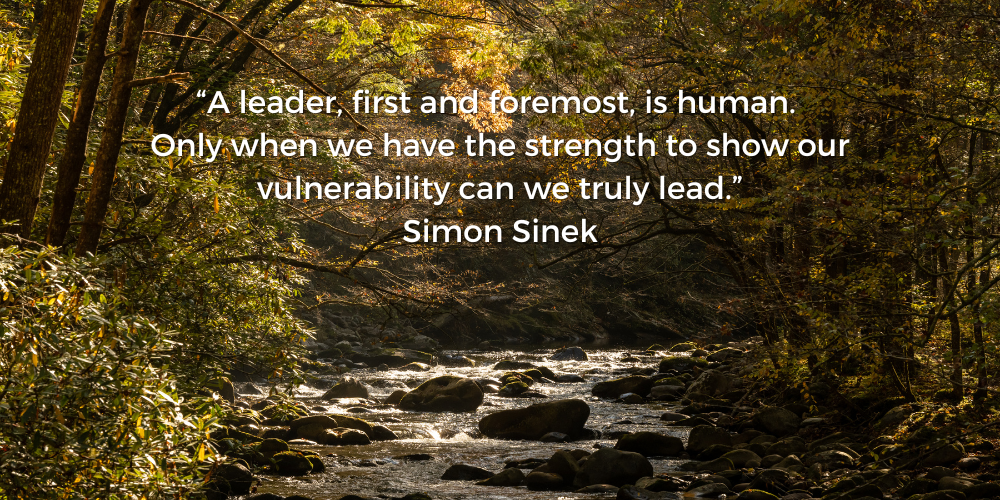
Naked Leadership: When Strength Lies in showing vulnerability

Driving Rapid Growth for Your Company with Fortune 500 Best Practices | Digital Transformation Leader | Leadership Development | Sales Director | Certified Organizational Coach |
January 28, 2025
Every leader strives to be their best. Over the years, I’ve attended many leadership training courses, but only in the last years did I start to hear about a crucial skill: vulnerability.
Why is this new topic present?
When a company hires a leader, it’s about that leader’s knowledge and leadership capabilities. That leader comes to help the team or company grow using their experience. If you’re the CEO, everyone that goes to you for a question wants your wisdom. If you promote an individual contributor to a leader, it’s because of the capabilities that person has demonstrated. So, as leaders, we tend to think we need to bring the answers, and when that happens, we’re successful leaders. Given that situation, saying “I don’t know” or “I’m not good at this” might seem like saying you’re not fit for the job.
A few years back, I was assigned leadership of a new team spanning Latin America and Canada. While I had a strong track record in Latin America, building trust with the Canadian team presented a unique challenge. Initially, I felt compelled to present myself as a seasoned leader who could effortlessly handle the role. However, the reality was that I had limited knowledge of the Canadian market. This disconnect left me worried about being perceived as underqualified for my new responsibilities.
In hindsight, I realized that authentic leadership would have been a more effective approach. By acknowledging my expertise in Latin America while being open about my need to learn about the Canadian market, I could have fostered a more collaborative and trusting relationship with my new team members.
Vulnerability: What Does It Really Mean?
Vulnerability means openness, susceptibility, and the willingness to expose one’s weaknesses or emotional state. At its core, vulnerability represents the condition of being potentially exposed to others. At work, this seems extremely dangerous. If you’re vulnerable, others may not respect you and people may try to take advantage of you.
The reality: vulnerability is not a weakness, but a strategic strength that can transform organizational culture and leadership effectiveness. The most profound understanding of vulnerability is not about weakness, but about courage – the strength to be transparent, to acknowledge limitations, and to open oneself to potential risk while maintaining resilience.
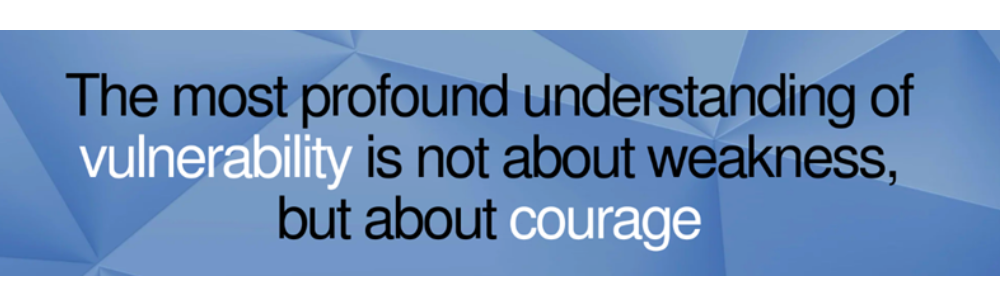
Vulnerability means courage
Workplace vulnerability doesn’t mean being weak or wimpy, nor does it involve acting like a pushover. Being vulnerable at work shows employees you are candid, compassionate, and authentic.
Trust in the Team
When I started training as a coach at Patrick Lencioni’s Workshop, “The 5 dysfunctions of a Team” to deliver the program across the Americas, I learned that to create a cohesive leadership team, a fundamental pillar of the team is to create trust. And to achieve real trust you need “vulnerability-based trust”.
Lencioni defines vulnerability-based trust as “a place where leaders comfortably and quickly acknowledge, without provocation, their mistakes, weaknesses, failures, and need for help.” Only when you are open to being vulnerable is when you can really create trust within your team.
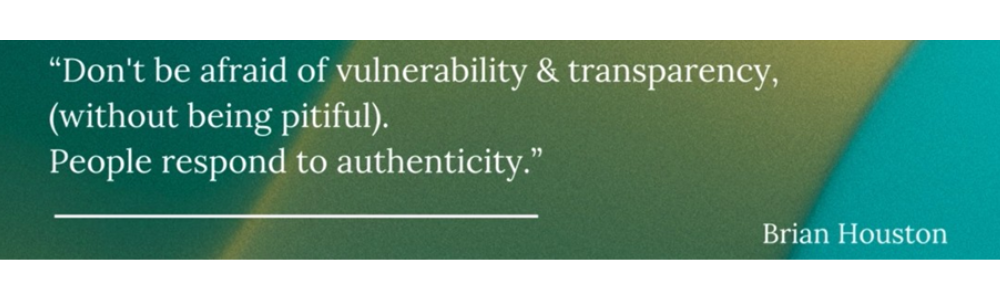
The Impact of Leadership Vulnerability in our brain
When the leader is capable of being vulnerable, there are impacts on the team:
- Team members’ brains mirror the leader’s state, creating a sense of psychological safety. This encourages others to express their own feelings and concerns, fostering a supportive environment.
- The brain’s threat response, typically triggered by vulnerability, is mitigated. Instead of perceiving vulnerability as potential harm, the brain begins to associate it with positive outcomes.
- Oxytocin production increases, strengthening social bonds and trust between the leader and team members. This “bonding hormone” enhances collaboration and loyalty within the team.

What is NOT vulnerability
If you’re trying to be more vulnerable, you must be aware that there is a fine line between “being vulnerable” and “being too vulnerable”. The following examples show what kind of behaviours and sharing do not create vulnerability-based trust and can impact the team environment:
- Constantly complaining about personal issues
- Oversharing private details that make others uncomfortable
- Blaming others for mistakes instead of taking responsibility
- Appearing overly emotional and unable to make decisions
- Using vulnerability as an excuse for poor performance, potentially leading to a perception of weakness and undermining trust within the team
What can you do?
Now, as I always do, here are recommendations for you to become a vulnerable leader and generate more trust in your team:
- Share personal stories of challenges and failures. This humanizes the leader and makes them more relatable to the team.
- Admit it when you do not have all the answers or when you have made a mistake. This shows humility and encourages a culture of continuous learning.
- Ask for feedback regularly and act on it. This demonstrates that you value your team’s opinions and are committed to improvement.
- Create a safe space for open dialogue. Encourage team members to express their thoughts and ideas without fear of judgment.
- Celebrate employees’ strengths, especially when they exceed your own. This shows humility and builds trust.
- Be transparent about your goals, challenges, and decisions. This openness fosters trust and authenticity within the team.
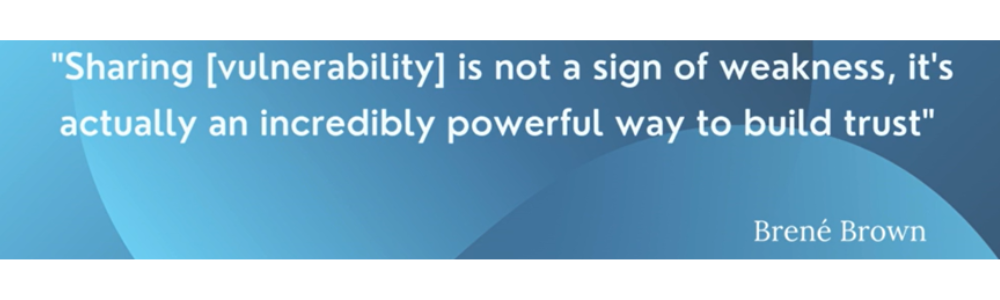
In Summary
By demonstrating vulnerability, leaders create consitions that promote trust, empathy, and collaboration within their teams, ultimately leading to improved team performance and innovation. There would be better conflict resolutions, reduced stress levels, and empowered team members.By partnering with us at Power Inside Out, you’ll transform your leadership approach from the inside out, creating a more resilient, innovative, and high-performing organization. Our programs are designed to help you harness the power of vulnerability while maintaining the respect and influence necessary for effective leadership.
Subscribe to the newsletter for more insights for leaders and forward this information to your peers!